
Views: 0 Author: Site Editor Publish Time: 2026-09-30 Origin: Site


Core Definition: A motorized mechanical lifting device utilizing high-strength steel wire rope and a grooved drum system to lift, lower, and suspend heavy industrial materials securely.
Primary Advantage: Delivers superior lifting speeds, precise load positioning, and higher load capacities—frequently reaching 10 tons and beyond—compared to standard chain-based alternatives.
Ideal Applications: Engineered specifically for heavy manufacturing facilities, steel foundries, construction sites, and large-scale warehouses demanding continuous material handling.
Selection Criteria: Choosing between single and double girder configurations depends entirely on required load capacity, available ceiling headroom, and specific facility architecture.
Understanding modern material handling requires a precise definition of the core equipment. An electric wire rope hoist is an electrically powered mechanical apparatus engineered to move massive materials vertically. Instead of utilizing standard metal chain links, this sophisticated system employs a braided steel cable winding systematically around a motorized grooved cylinder known as a drum.
While the hoisting unit manages vertical lifting, it rarely operates as a standalone piece of equipment. These lifting mechanisms are typically integrated into broader overhead crane systems, such as electric overhead traveling cranes or heavy-duty gantry setups. Mounted securely on a trolley, the unit travels horizontally along the bridge beam of the crane. This seamless integration provides full three-dimensional movement across a factory floor. Consequently, operators can pick up a bulky load from a delivery truck and deposit it with pinpoint accuracy at a designated assembly station.
For demanding high-capacity applications, braided cable is selected over traditional steel chains due to its unique structural properties. A wire rope consists of multiple individual steel wires twisted into thick strands, which are then helically wound around a lubricated central core. This multi-strand construction provides exceptional tensile strength and vital mechanical redundancy. Specifically, if one individual micro-wire snaps under tension, the entire cable maintains its integrity. From a practical standpoint, wire rope spools smoothly onto a drum. This enables much faster and significantly quieter lifting operations compared to the harsh metallic clanking of chain links engaging a sprocket.
Analyzing the current manufacturing landscape reveals a distinct shift toward intelligent lifting solutions. The global push toward Industry 4.0 has transformed standard lifting equipment into highly intelligent machinery. Facility managers are moving away from reactive repairs and embracing predictive maintenance driven by the Internet of Things.
Modern hoists are increasingly outfitted with smart connectivity and real-time data monitoring sensors. This technological upgrade allows plant engineers to track load cycles, monitor motor temperatures, and analyze brake wear continuously. Furthermore, these data-driven insights predict maintenance needs long before a catastrophic mechanical breakdown occurs. By integrating smart load monitoring, heavy industrial sectors are drastically reducing unplanned downtime and elevating overall workplace safety to unprecedented levels.
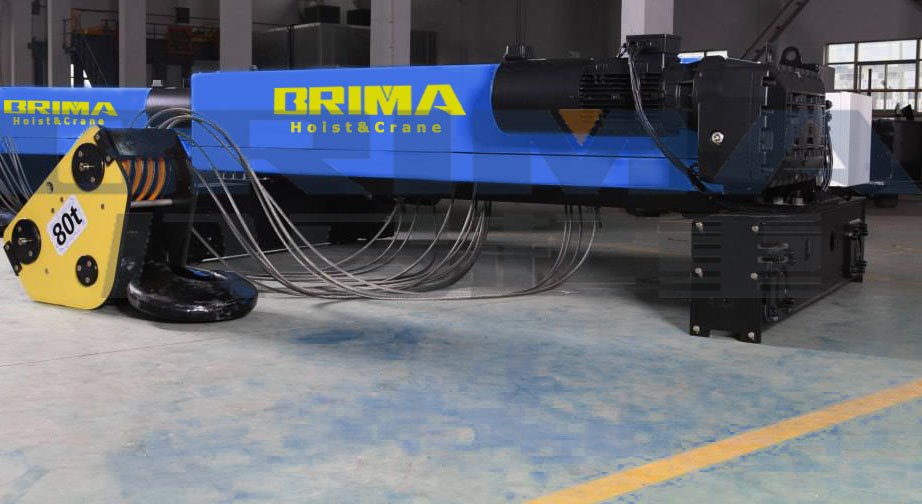
The smooth operation of these lifting devices relies on fundamental principles of physics and mechanical engineering. By converting raw electrical energy into controlled mechanical force, the system allows an operator to manipulate massive weights effortlessly using a radio remote control.
The lifting sequence initiates with the electric motor. This is typically a heavy-duty AC induction motor specifically designed to endure frequent starts and stops without overheating. When activated, the motor generates immense rotational velocity. However, this raw speed lacks the necessary torque required for safe heavy lifting.
To resolve this mechanical hurdle, the output from the motor feeds directly into a gearbox. This enclosed system of helical gears smoothly reduces rotational speed while simultaneously multiplying torque. This mechanical advantage transforms a fast-spinning motor into a slow, unstoppable lifting force capable of hoisting several tons of dead weight steadily into the air.
The amplified torque from the gearbox transfers directly to the rope drum. This cylindrical component features precision-machined helical grooves carved into its steel surface. As the drum rotates, the steel cable is naturally guided into these specific grooves.
This grooving serves as a vital engineering feature rather than a cosmetic detail. It ensures the cable spools evenly across the drum in a single organized layer. By preventing the rope from overlapping, tangling, or crushing itself under extreme tension, the system guarantees a buttery-smooth lift and significantly extends the operational lifespan of the steel cable.
Suspended at the working end of the cable is the hook block, which is a heavy-duty assembly containing pulleys and a forged steel load hook. The wire rope passes through these pulleys in a specific looping configuration known as reeving. This setup further multiplies the lifting force of the equipment through mechanical leverage.
Equally critical is the integrated fail-safe braking system. Industrial hoists utilize powerful electromagnetic brakes. When the motor receives power to move, the brake instantly releases. The exact millisecond that power is cut—whether intentionally by the operator or unexpectedly due to a facility blackout—the brake automatically clamps down. This immediate action holds the suspended load securely in mid-air, preventing a catastrophic drop.
When outfitting a new facility, procurement managers often face the dilemma of choosing between wire rope and chain setups. Making an informed decision requires a clear understanding of the objective differences in their mechanical capabilities.
Feature | Electric Chain Setup | Electric Wire Rope Setup |
|---|---|---|
Load Capacity | Typically utilized for loads under 5 tons. | Ranges extensively from 2 tons to over 50 tons. |
Lifting Speed | Slower, consistent operational speeds. | Faster lifting speeds, frequently featuring variable frequency control. |
Lifting Height | Strictly limited by the physical size of the chain container. | Capable of very high vertical lifts since the rope stores compactly on the drum. |
Operation Noise | Louder, caused by metal chain links engaging gears. | Significantly quieter and smoother operation. |
Ideal Environment | Smaller workshops, localized workstations, and jib cranes. | Large manufacturing plants, heavy foundries, and high-bay logistics centers. |
Chain-based systems are highly effective for light-to-medium loads. They remain compact, require a lower initial capital investment, and fit perfectly into localized workstation cranes where blazing speed is not the primary objective.
In contrast, if your daily operations involve moving massive steel components or maintaining strict production quotas, a high-performance electric wire rope hoist proves mechanically superior. The buttery-smooth operation drastically reduces dangerous load sway. This stability becomes absolutely critical when maneuvering delicate machinery or hazardous materials across a crowded factory floor.
Once you determine that a cable-based system is necessary, the next logical step involves selecting the appropriate crane architecture. This structural decision directly dictates your spatial efficiency and absolute maximum lifting limits.
In a single girder configuration, the hoisting unit and its trolley are suspended directly beneath a single bridge beam. The trolley wheels glide along the bottom flange of this beam. This streamlined setup is notably lighter, more cost-effective, and faster to install. It suits light-to-medium duty applications in buildings with ample ceiling height. Keep in mind that the unit hangs entirely below the crane structure, thereby consuming a portion of your available vertical headroom.
For highly demanding industrial environments, a double girder setup represents the premium standard. In this robust configuration, the trolley rides securely on top of two parallel bridge beams rather than hanging below one.
This dual-beam design offers exceptional structural stability. It allows the lifting hook to be pulled up snugly between the two beams, providing the absolute maximum hook height. If you operate in a warehouse with restricted vertical space but still need to manipulate massive freight safely, investing in a 10t double girder electric wire rope hoist is often the most effective engineering solution available. It delivers uncompromising performance, supports significantly longer crane spans, and provides the rigid integrity required for continuous heavy-duty material handling.
The rugged fail-safe design of these lifting systems makes them an indispensable asset across a wide spectrum of heavy industries. Their specific application is always dictated by the fundamental need to move massive unwieldy materials without putting human workers in harm's way.
Manufacturing and Assembly Lines: Imagine a bustling automotive plant where a heavy engine block must be lowered into a vehicle chassis. Units with variable speed controls allow operators to utilize a specialized creep speed for millimeter-precise placement during complex assembly.
Steel Mills and Foundries: Handling raw materials, hauling heavy steel coils, and transporting glowing red-hot ladles of molten metal requires equipment capable of surviving extreme thermal stress. High-performance units in these sectors are frequently customized with reflective heat shields and specialized heat-resistant cables.
Warehousing and Logistics: In high-capacity distribution centers, these systems rapidly load and unload oversized industrial components. They move massive freight swiftly from inbound shipping docks to deep storage racks.
Construction and Mining: Rugged outdoor environments demand durable lifting solutions. Heavy-duty units are frequently deployed to hoist structural steel beams, massive precast concrete panels, and heavy excavation equipment safely into position.
In the realm of heavy-duty material handling, a mechanical failure can quickly escalate into a catastrophic workplace accident. Consequently, reputable manufacturers engineer modern systems with multiple layers of redundant safety mechanisms to protect both floor personnel and facility infrastructure.
Attempting to lift a load that exceeds the rated capacity of the equipment remains a common precursor to crane accidents. To combat this, modern systems feature electromechanical overload limiters and advanced strain gauges. These sensors constantly monitor the tension applied to the cable. If the system detects a weight surpassing the safe working limit, it instantly cuts power to the upward lifting mechanism. This neutralizes the dangerous lift while still permitting the operator to lower the load safely back to the ground.
To prevent severe mechanical self-destruction, geared limit switches are hardwired into the control system. The upper limit switch ensures the hook block cannot be raised so high that it violently crashes into the rope drum. Conversely, the lower limit switch stops the drum from rotating when the hook reaches its lowest designated point. This ensures a minimum number of safety wraps remain on the drum so the cable does not entirely unspool and detach.
Every operator control pendant or radio remote features a prominent bright red emergency stop button. Engaging this button immediately severs the main electrical contactor, freezing all crane movements in a fraction of a second. Additionally, internal motors are fitted with thermal sensors. If the motor begins to overheat due to aggressive continuous use, the thermal protection system temporarily disables the equipment. It remains locked out until it cools down to safe operating temperatures, effectively preventing electrical fires and catastrophic motor burnout.
Procuring industrial lifting equipment represents a significant capital investment. Because operational environments vary wildly—from climate-controlled aviation hangars to harsh dust-choked foundries—there is no universal solution. Procurement managers must carefully evaluate several empirical metrics before finalizing a purchase.
The most foundational metric to evaluate is the safe working load. This figure represents the absolute maximum weight the equipment is engineered to lift safely. Industry best practices dictate that buyers should never purchase a unit where the maximum rated capacity exactly matches their heaviest routine load. Operating equipment constantly at its absolute threshold accelerates mechanical fatigue.
Instead, calculate your heaviest expected load and add a twenty percent safety margin. For example, if your facility regularly handles 8-ton steel coils, securing a 10t double girder electric wire rope hoist provides a vital mechanical buffer. This strategic choice prevents motor overheating and easily accommodates potential future production increases.
The required lifting height directly dictates the physical size of the rope drum. You must calculate the exact vertical distance from the lowest point the hook needs to reach to the highest required clearance point. A higher lift demands a longer cable and a correspondingly larger drum to prevent irregular spooling.
Regarding speed, high-volume manufacturing often necessitates faster lifting to hit throughput targets. However, extreme speed makes precise positioning difficult. Therefore, selecting a unit equipped with a variable frequency drive is highly recommended. This technology allows for seamless stepless speed adjustments, granting operators rapid movement for long vertical distances and slow controlled micro-movements for final load placement.
The duty cycle refers to how frequently the equipment will be utilized within a given shift. Standardized classifications help buyers match the thermal endurance of the motor to their reality. Purchasing a light-duty unit for a continuous heavy-duty assembly line inevitably results in rapid motor burnout.
Furthermore, the physical environment dictates the necessary ingress protection ratings. Standard indoor warehouses typically require an IP55 rating. In contrast, if the equipment will face outdoor elements, chemical processing fumes, or high humidity, you must specify IP65 ratings, specialized anti-corrosion paint, and galvanized steel cables.
Even the most robustly engineered lifting equipment requires a systematic maintenance protocol to ensure safe operation and yield a high return on investment. Neglecting routine care voids manufacturer warranties and creates severe safety hazards.
The foundation of preventative maintenance is the pre-shift visual inspection. Operators must scrutinize the steel cable daily since it bears the entirety of the load tension. Inspectors should look for sharp broken wires protruding from the strand or severe kinking. They must also check for bird caging, which is a dangerous deformation where outer strands bulge outward from the core. If any structural damage is identified, the unit must be locked out of service immediately.
Friction remains the ultimate enemy of mechanical longevity. As the unit operates, the internal strands of the steel cable constantly rub against one another. Without proper lubrication, this internal friction causes the steel to wear aggressively from the inside out. The cable must be regularly treated with specialized penetrating lubricants. These fluids seep deep into the core, reducing friction and creating a protective barrier against environmental moisture and rust.
While daily checks are essential, they do not replace comprehensive professional servicing. Occupational safety organizations legally require annual inspections conducted by certified crane technicians. During these intervals, professionals perform non-destructive testing on the load hook to detect microscopic stress fractures. They also measure brake pad wear and perform dynamic load testing to verify all structural components still perform safely under maximum rated stress.
An electric wire rope hoist stands as an indispensable pillar of modern heavy-duty material handling. By stepping away from the limitations of manual labor and smaller chain systems, facilities can move massive loads with unprecedented speed, safety, and precision. Choosing the right model requires a careful metric-driven analysis of your load capacities, spatial constraints, and environmental realities. By investing in high-quality equipment and adhering to strict maintenance protocols, you protect your workforce while simultaneously elevating the operational efficiency of your facility for decades to come. To ensure you select the exact configuration tailored to your demanding environment, explore the robust solutions available at BRIMA Hoist.
With strict adherence to preventative maintenance protocols and operation strictly within its designated duty cycle, a high-quality industrial unit can reliably serve a facility for ten to fifteen years. However, if the equipment is consistently pushed beyond its rated capacity or operated in highly corrosive environments without proper protections, internal components can fail in less than five years. Regular lubrication and timely replacement of wear parts remain the primary factors dictating longevity.
Yes, these systems are frequently utilized in outdoor environments such as construction sites and open-air shipping yards. However, a standard indoor unit cannot simply be installed outside. Outdoor applications require specific engineering modifications, including a minimum IP65 rating for electrical enclosures, weather covers for the motor and drum, internal space heaters to prevent winter condensation, and galvanized steel ropes to resist severe rust.
Heavy manufacturing typically requires equipment rated for heavy-duty cycles, often categorized under FEM standards as 2m or 3m classifications. This means the motor is engineered to handle hundreds of starts and stops per hour and run continuously for extended periods without the thermal protection systems shutting the unit down. Always match the duty cycle rating to your actual operational hours to prevent premature motor failure.
A variable frequency drive transforms how a motor operates by controlling the electrical frequency supplied to it. Instead of a harsh single-speed jolt when lifting begins, it allows for smooth stepless acceleration and deceleration. This eliminates dangerous load swing, reduces mechanical shock on the gearbox, and gives the operator the ability to use extremely slow speeds for precise placement of heavy machinery.
There is no universal calendar timeline for replacing a wire rope. Replacement is dictated entirely by physical condition and rigorous safety standards. The rope must be replaced immediately if inspections reveal specific rejection criteria. These include a localized cluster of broken wires, visible reduction in the overall diameter of the rope, severe kinking, or evidence of thermal damage from electrical arcing.
While both devices utilize a motorized drum and steel cable, they are engineered for fundamentally different tasks. A hoist is explicitly designed to lift and lower loads vertically in the air, requiring highly sophisticated fail-safe braking systems to prevent the load from dropping. A winch, conversely, is designed primarily to pull heavy loads horizontally across a surface. Winches generally lack rigorous overhead suspension safety mechanisms and should never be used for vertical lifting unless explicitly rated for it by the manufacturer.
